OPINION: Cannabis industry is no island; inclusiveness, respect and clear rules needed to prevent all forms of harassment
Sexual harassment is certainly not unique to the cannabis industry. But as with all societal issues, each industry expresses these issues in its own unique way. In the case of the cannabis industry it is clear that there are some demons to contend with in this area.
Incidents that have come to light over the last few months offer a concerning view of how perpetrators, primarily men, have an impact on women in Canada’s cannabis industry. This view suggests that many women deal with harassment and other offensive behaviour while trying to conduct business in the cannabis industry.
Â
Â
Abuse of trust and power never okay
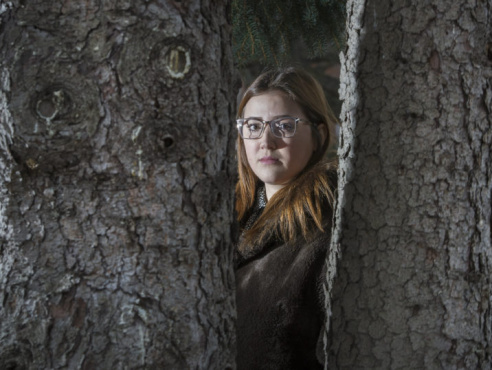
Perhaps most public has been the story of Deidre Olsen, a freelance journalist based in Toronto, and her allegations of Marc Emery’s behaviour towards her and others.
He'd host parties that teenagers girls attended, including his staff, where hard drugs were not only available but often pushed upon these girls and women.
— Mx. Deidre Olsen (@DeidreLOlsen) January 14, 2019
Olsen was among an unidentified number of women who have come forward about their experiences with Emery. Among other things, the alleged interactions relate to issues of abuse of trust and power, sexually suggestive communications and abuse, some involving girls as young as 15.
What is the breadth and depth of the challenge?
The allegations relate to a handful of women, one alleged perpetrator and past acts. But are similarly worrisome circumstances as present in other cannabis-related workplaces today? In reviewing some of the articles and tweets on this issue, there are too often cited examples of women describing sexual harassment while conducting business in their various capacities across the cannabis industry, in addition to experiencing offensive behaviour at industry-related parties or other events.
In a recent article, freelance author Suzannah Weiss described what she referred to as a “harassment-filled boys club,†in which women in the industry confirm they are subject to discrimination and harassment.
Weiss refers to a survey now being conducted by The Boss Ladies of Cannabis, a group whose mandate is to create a database of female entrepreneurs and professionals in the cannabis industry and to promote their equitable treatment.
The survey—an anonymous and confidential poll currently open to anyone who now works or has worked in the cannabis industry—asks women and men about their experiences with sexual harassment while working in the industry.
ICYMI: Experienced sexual assault or harassment while working in the cannabis industry? The #MeTooCannabis Survey is ANONYMOUS and CONFIDENTIAL. Share your experience, so that we can create a safer industry together. https://t.co/5xIXjwecuN in partnership with @VitalsayCorp pic.twitter.com/LQKiMLqboR
— Boss Ladies of Cannabis (@CannabisBoss) January 18, 2019
Based on the input of 156 respondents from December 2018 through early February 2019, 46 percent said they had experienced sexual harassment in the workplace or a work-related location. One question asked: At this particular company in the cannabis industry, did any of the below exist? It then goes on to provide as options: equal opportunity to grow; female founders or female owners of the company; workplace policies for harassment (non-sexual); workplace policies for sexual harassment; training for the company’s harassment policies (any); and a feeling of emotional safety at the workplace. Results show more than half of respondents reported the companies at which they worked had sexual harassment policies in place, but only a third of those polled actually received training on harassment policies.
Another concerning statistic revealed by the survey was low reporting, with only nine percent of those surveyed feeling comfortable enough to report incidents to their HR department.Â
Bright spots
Despite such reports, the industry offers some bright spots on harassment issues. There is much positivity in the cannabis industry and a great foundation on which to build a strong culture of inclusion and respect.
For example, Rachel Colic, founder of the Boss Ladies of Cannabis, recently tweeted a list of her favourite male “sistersâ€, referring to men who have been positive role models of how good men conduct themselves.
As someone who grew up with brothers, men have been "sistering" me my entire life. Here's a few that have made an impact more recently.💚🙠@printmaster5000 @ChimeraGenetics @bradpoulos @cancannupdate @DrKoolsHanna @NoahStrainprint @itsdavidpurcell @_deepakanand @ChadFinkelstein https://t.co/eudt77O4Ob
— Rachel Colic (@rachelcolic) February 22, 2019
Jessica Moran, director of marketing and communications for Strainprint Technologies Inc. tweeted a similar tweet and then doubled down with a glowing commentary of the company’s leadership walking the walk, in terms of supporting women and soliciting their knowledge and experience. Noah Kauffman, head of sales for Strainprint, put it this way: “Our company is committed to equality and it shows in our leadership and throughout the organization.â€
Call to action
So, what can companies do to ensure their culture fosters a positive environment for all? Turns out, there’s quite a bit that can be done and that all companies should be doing.
Leaders at all levels of the organization should set a clear and unequivocal tone that sexual harassment will never be tolerated, and that high standards of behaviour and inclusiveness are always the goal, whether on the job or at related conferences, parties and events.
Despite the importance of tone, a clear and robust sexual harassment prevention policy needs to be established, with timely and workable mechanisms for complaints and dispute resolution. To demonstrate the organization’s commitment to the issue, particularly that of upper management, a minimum of one-full day should be set aside for related training. Taking such a step contributes to setting a clear tone, while also allowing people to face each other, share understanding of real-life experiences and bolster efforts to build a truly inclusive culture.
Training should include an element of bystander intervention training, since harassment often involves not just the perpetrators, but also witnesses to unacceptable interactions.
A key component of both the policy and training would also include a clear standard of ethics with regard to conduct at out-of-office events, including trade conferences and industry parties.
Ultimately, such policies and approaches could be encapsulated in a company pledge to clearly demonstrate that the organization is serious about creating a positive environment in which sexual harassment will not be tolerated and prevention will be fostered.
Â
Mark Hanna, a lawyer who has a doctorate in education, is a director and writer with NICHE Canada. A not-for-profit corporation, the National Institute for Cannabis Health and Education (NICHE) supports development of public policy and research to help government manage the transition to the legalization of the cannabis industry.
Want to keep up to date on what’s happening in the world of cannabis?  Subscribe to the Cannabis Post newsletter for weekly insights into the industry, what insiders will be talking about and content from across the Postmedia Network.