New cannabis licence rules could make Canada’s supply shortage even worse
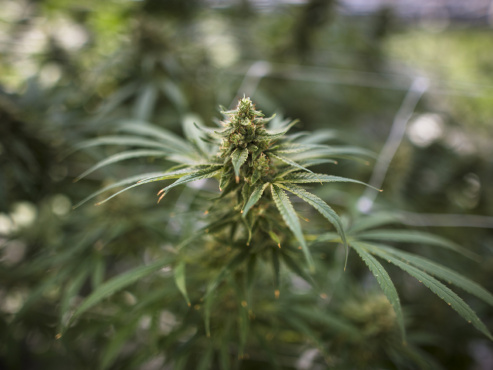
Canada’s changes to its cannabis licensing requirements may make the country’s persistent pot shortage worse, not better, according to some in the industry.
The Canadian government said last week that it will now require applicants for cannabis cultivation, processing or sales licenses to have a fully built site before they apply. The goal is to alleviate the huge backlog that’s built up since Canada legalized recreational pot in October. About 614 applications were waiting in the queue as of March 31, according to a Health Canada spokeswoman.
Meanwhile Canada is dealing with a nationwide shortage of pot that has led some provinces like Ontario to restrict store openings.
- Why some cannabis investors are shunning Canadian firms and eyeing U.S. operators instead
- Cannabis can be grown outdoors for pennies on the dollar. So why is hardly anyone doing it?
- To apply for a licence to grow cannabis in Canada, you now have to have a fully built site ready to go
“I think the fact that you now have to fully build out your site before you even apply means that people are going to build very small initial phases to try to mitigate risk and minimize the amount of money that has to be spent,†cannabis lawyer Trina Fraser, partner at Brazeau Seller Law, said in a phone interview.
Once an initial site is licensed, producers can then expand it by applying for amendments to their license. This could simply push the backlog from the licensing queue to the amendment queue, she said.
Raising Capital
“That could actually exacerbate the supply problem because it’s going to be difficult for those producers to expand and grow fast enough to meet demand,†Ottawa-based Fraser said.
In response, Health Canada says it approves new licenses almost every week, bringing the total to 175 licensed sites across Canada, up from 132 when pot became legal last year. There are now more than 600,000 square meters of space under active cultivation, enough to produce about 1 million kilograms of cannabis per year, matching the quantity of cannabis consumed in Canada.
“The regulatory approach to cannabis has been designed specifically to encourage a diverse range of large and small participants from across the country, including through the creation of new micro- and nursery-class licenses,†said Eric Morrissette, a spokesman for Health Canada, in an emailed statement.
The changes will likely discourage new entrants, according to Deepak Anand, a former vice president at consulting firm Cannabis Compliance Inc. who’s now chief executive of Materia Ventures, a global cannabis supply and distribution company.
“Raising capital has been challenging, and this is going to make it even more challenging,†Anand said. “I think it really disincentivizes micro-cultivators and processors to be setting up and applying for licensing, and I think that’s quite unfortunate because this is going to impact small businesses significantly.â€
Big Winners
The winners will be the large, established producers that already have licenses in place and have the expertise and capital to build out new sites if they want to expand, Anand said.
That’s the view of Greg Engel, CEO of Organigram Holdings Inc., a Moncton, New Brunswick-based licensed producer.
“It’s great to see Health Canada make this move because it does prioritize companies and facilities that are closer to bringing product to market,†Engel said. “From a resourcing perspective, it allows them to focus on the applicants who have facilities or have access to capital.â€
More than 70 per cent of applicants who passed Health Canada’s initial paper-based review over the past three years have not yet demonstrated they have a completed facility that meets regulatory requirements. This indicates many of them will never get a facility up and running and the government wasted its time in reviewing their initial applications.
Unclear Edibles
Engel said Organigram currently has 47,000 kilograms of production capacity licensed and expects that to reach 113,000 kilograms by the end of the year. The company hasn’t seen any major delays to its licensing so far because it does all its growing in the same Moncton facility, meaning each phase of expansion is an amendment to the existing license, not an entirely new license.
When Fraser, the cannabis lawyer, is approached by clients who are looking to enter the space and want to know how long it will take to get licensed, she now tells them to think in terms of years, not months.
The situation may get even worse when Canada legalizes cannabis edibles, beverages, extracts and topicals later this year. This will require many producers to build separate sites for extraction, production and packaging of the new products, adding to the licensing backlog. And after all that, it may turn out that consumers aren’t particularly interested in the new products, Fraser said.
“Everybody’s got their own idea of what the demand is going to be, and some are going to be right and some are going to be wrong,†she said. “We have a lot of experimentation in that regard ahead of us before we have what I’d consider a mature, stable market.â€
Bloomberg.com