Cannabis drinks taste a lot like urine, but a Canadian company thinks it’s found a solution
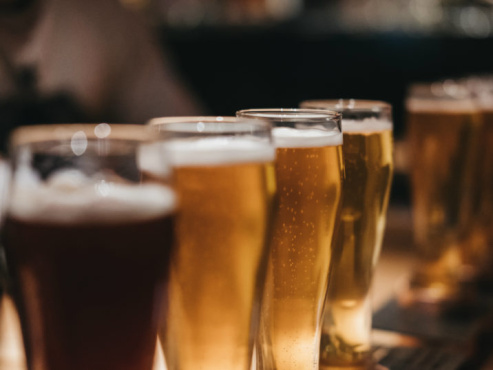
Infused-drinks are predicted to bring in some serious cash—$600 million in the U.S. by 2022, as estimated by Canaccord Genuity Group. That can only mean good news, considering the decline in beer consumption and legalization of cannabis in Canada and several U.S. states.
But it’s not. That’s because infused drinks taste awful, almost like urine, or soap dish, as per a recent The Wall Street Journal report.
Â
Â
The smell of pot, that citrusy, musty and often times skunky stench, is quite easy to identify. The fragrance comes from a compound named terpenes, an aromatic oil found in the cannabis plant. The very same compound that will make many gag when the bottle’s popped open.
Currently, many U.S. companies load the drink with sugar, additives and other taste enhancers to hide the pungent smell and taste. So far, companies have not found the go-to solution to get rid of the pungent, bitter aroma and taste. Not surprising as the process to make an infused drink is quite a complicated challenge.
Infused drinks are made using cannabidiol (CBD), tetrahydrocannabinol (THC) or both, two main components of the cannabis plants. The main difference between the two being CBD doesn’t get you high, whereas THC does.
Both CBD and THC are not water soluble, so the way infused drinks are prepared until now is that users either “shake the bottle to mix it; by using common emulsifiers and surfactants (ingredients that help mix water with oil) to create water compatible cannabinoids; or by using Nano emulsifications (small emulsion used to mix liquids) to create water compatible cannabinoids,†reads a report in New Cannabis Ventures.
But Toronto-based Province Brands is developing an infused beer that they claim will taste just like any other beer in the market. “The idea is to replace the barley typically used in the brewing process with the stalks, stems and roots of the cannabis plant. Adding hops and water, the company is convinced it can create a line of non-alcoholic beverages that taste just as good as any beer on the market,†according to Bloomberg.
The interest in infused drinks in Canada is also at an all-time high.
In 2018, beverage giant Constellation Inc. made a $5 billion investment in Ont.-based cannabis producer Canopy Growth. Anheuser-Busch InBev, brewer of Budweiser, in a research partnership with Tilary Inc. is looking to “develop a deeper understanding of non-alcoholic beverages containing THC and CBD.†Multinational brewing company, Molson Coors has partnered with Que.-based HEXO “to develop non-alcoholic, cannabis-infused beverages.â€
For those who don’t mind the stink, the wait continues. Infused beverages are set to hit the shelves late in 2019 under the second wave of legalization. As per the proposed regulations, cannabis beverages may only contain 10 mg THC per container, with no added vitamins or alcohol.
While weed’s weird aroma is widely accepted, it now remains to be seen how many will raise a glass to the weird tasting drink.
Â
Want to keep up to date on what’s happening in the world of cannabis?  Subscribe to the Cannabis Post newsletter for weekly insights into the industry, what insiders will be talking about and content from across the Postmedia Network.