Canada’s pot market is still struggling to meet demand, and it’s about to get much worse
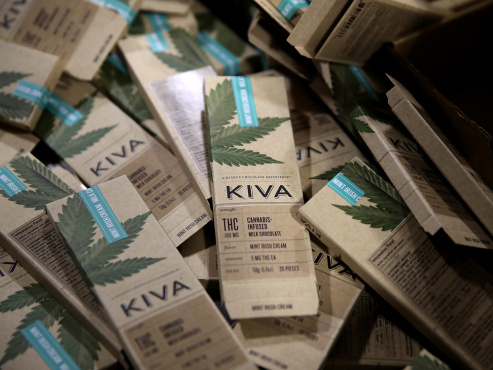
Canada’s legalization of pot edibles later this year is facing an even more shambolic start than the dried flower market, which is still struggling to meet demand, according to industry players.
“At least that time we knew what the permissible product types were going to be and were already making them in the medical context,†said cannabis lawyer Trina Fraser, a partner at Brazeau Seller Law in Ottawa.
Canada will add edibles, extracts and topicals to the list of legal cannabis products no later than Oct. 17. Many analysts agree these products will generate better demand and margins than dried flower. But the federal government has not yet issued regulations for the new formats, making it difficult for producers to prepare lest they unknowingly violate some rule.
- Deloitte pegs market for alternative cannabis products at $2.7 billion
- Still haven’t tried cannabis? You probably don’t plan to, poll suggests
- New cannabis licence rules could make Canada’s supply shortage even worse
A spokeswoman for Health Canada declined to comment on when the regulations will be released.
In addition, a huge licensing backlog has built up at Health Canada, the government agency that oversees cannabis regulations. About 614 applications were waiting in the queue as of March 31.
“A full rollout amongst a nice wide array of producers and a wide array of these new product types is going to take time, literally years, because we have such a licensing backlog,†Fraser said.
Company Stockpiling
Canada’s market for edibles and other alternative pot produces will eventually be worth $2.7 billion (US$2 billion) annually, but consumers should expect “missteps, delays and frustration†in the early days, Deloitte said in a report published Monday. Jennifer Lee, Deloitte Canada’s cannabis national leader, estimated it will be a minimum of 24 months before the industry normalizes.
In the meantime, many pot companies are stockpiling, choosing to forgo revenue today to ensure they have enough supply for the new high-value products. This is exacerbating the shortage of dried flower, but executives say it’s worth it.
“We’ve made a very conscious effort to delay revenue,†said Chuck Rifici, chief executive officer of Auxly Cannabis Group Inc. Selling into the market today doesn’t build brand recognition because shelves are empty and consumers are buying whatever’s available, he added. “I would much rather save that product, get a multiple of margin on that brand and make sure that I have enough inventory.â€
Lab Delays
This is proving to be a boon for extraction companies like Valens GroWorks Corp. Valens has contracts with many of the biggest pot companies, including Canopy Growth Corp., Hexo Corp. and Tilray Inc., to extract cannabis oil from their plants, which is then used for products like edibles and vape cartridges. It’s also investing heavily in its testing labs in the belief that Health Canada will have stringent regulations to ensure pesticides and other contaminants don’t make it into the new consumer products.
“Even in labs today there’s delays where people are waiting three weeks to a month to get lab results back and I think that will only get worse,†said Everett Knight, Valens’ executive vice president of strategy and investments.
Companies are also making big bets on what products will be in demand, with Canopy and Hexo leaning toward cannabis beverages and others toward vaping.
Be Prepared
“Why do I want an edible or a drink when I can have a vape?†Irwin Simon, interim CEO of Aphria Inc., said in an interview on the sidelines of a cannabis conference last month. “I see the margins and the opportunities there.â€
Rifici at Auxly also believes vape pens will be “the most important category by far.†But there are many unanswered questions. For example, will the government require companies to engrave its mandatory THC warning symbol into the pen itself, or will a sticker suffice?
This is why Valens is offering its customers 196 different options for its white-label vape pens. “You’ve got to make sure you cover your bases and prepare for all the possibilities,†Knight said.
Despite the uncertainty, it’s better to be prepared even if plans and production lines have to be tweaked once the regulations come out, said Bruce Linton, CEO of Canopy, which is building a 197,000 square foot bottling plant for cannabis beverages in Smiths Falls, Ontario.
“We’re in a situation where it’s better to spend money to be ready than to save money and be late,†he said.
Bloomberg.com